Public Transportation - horse drawn vehicles
Isa Pedersen
Mr. Roddy
IHSS
29 April 2022
Public Transportation
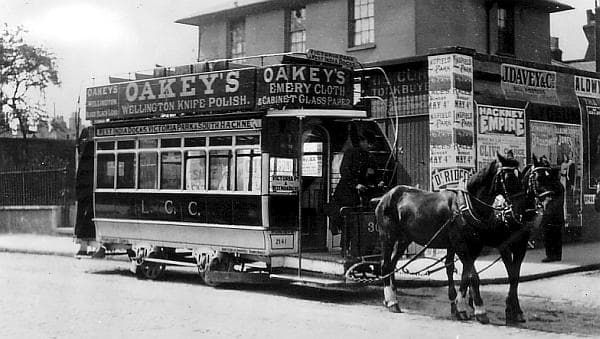
The first modes of public transportation started in the 1820s with horse drawn carriages. It was not as popular as you might think it was, it took a while to spread around the public as a popular mode of transportation. Once the horse drawn carriages were fully fledged and people started looking into other more modern modes of public transportation. The next step to this was cable cars, then rail lines, and then they created the modern way of public transportation, buses. Back in 1662 Blaise Pascal created a system of horse drawn carriages that he tested in Paris, these were called "Five-Penny Coaches". This did not catch on because barely anyone could afford these coaches. This plan quickly failed and the next model of early buses was created in 1826. In 1826 the Omnibus was created. These were not the first semi-successful public transportation, ferries had been in action since 1800. However, the omnibus was the first public transportation with wheels. These omnibuses were drawn by three horses, and they could carry up to 42 people. They fit everyone by piling them into the carriage, and some of them even had a second story to the carriage. This started once again in Paris, however this was such a brilliant idea at the time that it soon was transported into New York, by 1828 New York, and several European cities had it too. The omnibus was not without its faults. It was very uncomfortable because it had big, unsturdy wheels, no padding on the seat, and it was quite crowded. The biggest fault with it is that it was still too expensive for most people to buy a ride. It was priced at 12 cents a ride, which only allowed middle and high class people to ride on them. In the 1830s, the comfortableness of these buses were conquered. They started to look much more like modern streetcars. Rails were engraved into the streets, making these look much more like cable cars, except drawn horses. This created the first rail system. By the end of the 1890s, more than 20000 horse cars were in use, in America alone. The only issues with this car was with the horses. These horses could only go for two hours, so in order to complete a full day, it would take 8-10 horses. The other issue with the horses is that in 1872 there was a huge influenza that knocked out lots of the horses. There was also additional expenses for the food for the horses, and someone to clean up everything the horses leave on the streets. This ended up being much more money than the government could pay. This was the deciding decision that they would move away from animal drawn vehicles.
Comments
Post a Comment